Gear / Boots
Gaerne
Gaerne SG12 Boot
The Boot That Saved My Leg And Why I Won't Ride Without It.
J.M.Stealens
Editor-in-Chief · August 16, 2026
Introduction
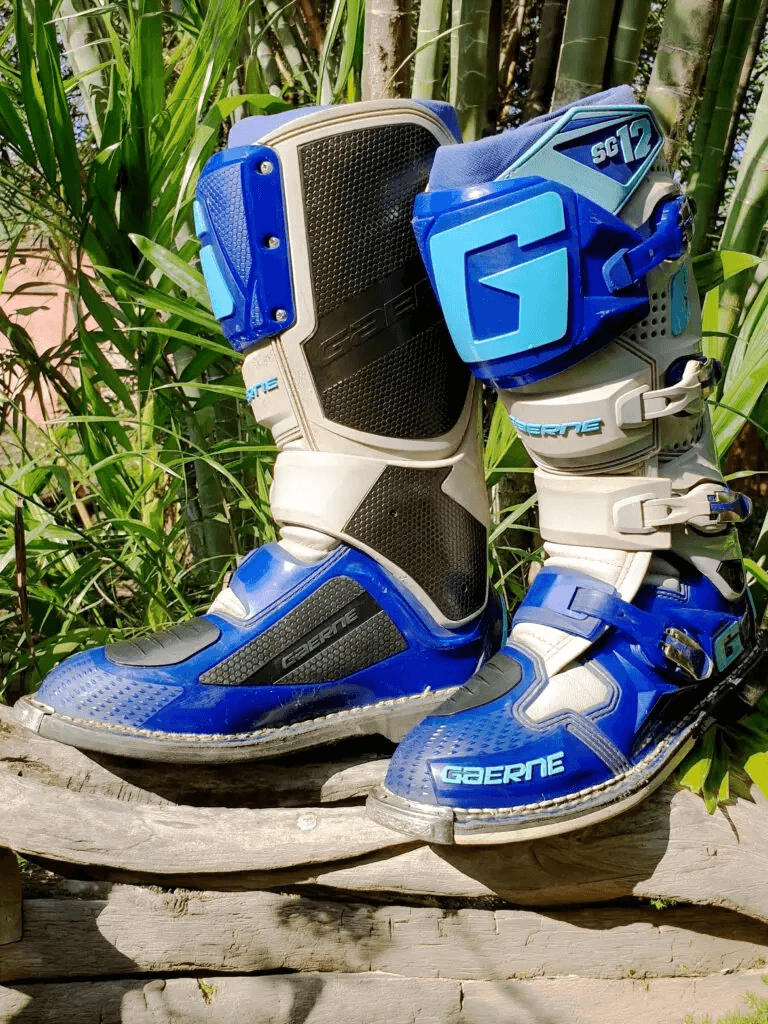
The Gaerne SG12 is one of the best protective off-road boots I have used in more than half a century of riding. Featuring a sturdy, rigid, articulated chassis, the SG12 offers solid protection, serious ankle support, excellent peg grip, a wide midfoot and toe box, comfortable lining, and outstanding durability.
The main caveat is obvious: this is still a full MX/enduro boot. Compared with softer adventure boots, it is heavier, stiffer, bulkier, and ungainly to walk in. Riders coming from touring boots will need time to adapt to the reduced feel at the shifter and rear brake.
But if your riding includes rocky tracks, deep ruts, sand, mud, water crossings, remote solo travel, or long days standing on the pegs, the SG12 makes a very strong case for itself. It is the kind of boot that can save a ride, a trip, or a lower leg.
For serious dual-sport, enduro, motocross, and dirt-focused adventure riders, the Gaerne SG12 deserves to be near the top of the shortlist.
How We Tested the Gaerne SG12
I ordered the SG12 while preparing for a long-distance off-road trip across the Western United States and Canada in 2019. My old Gaerne SG10 still had life left in them, but the trip was demanding enough that I wanted fresh boots.
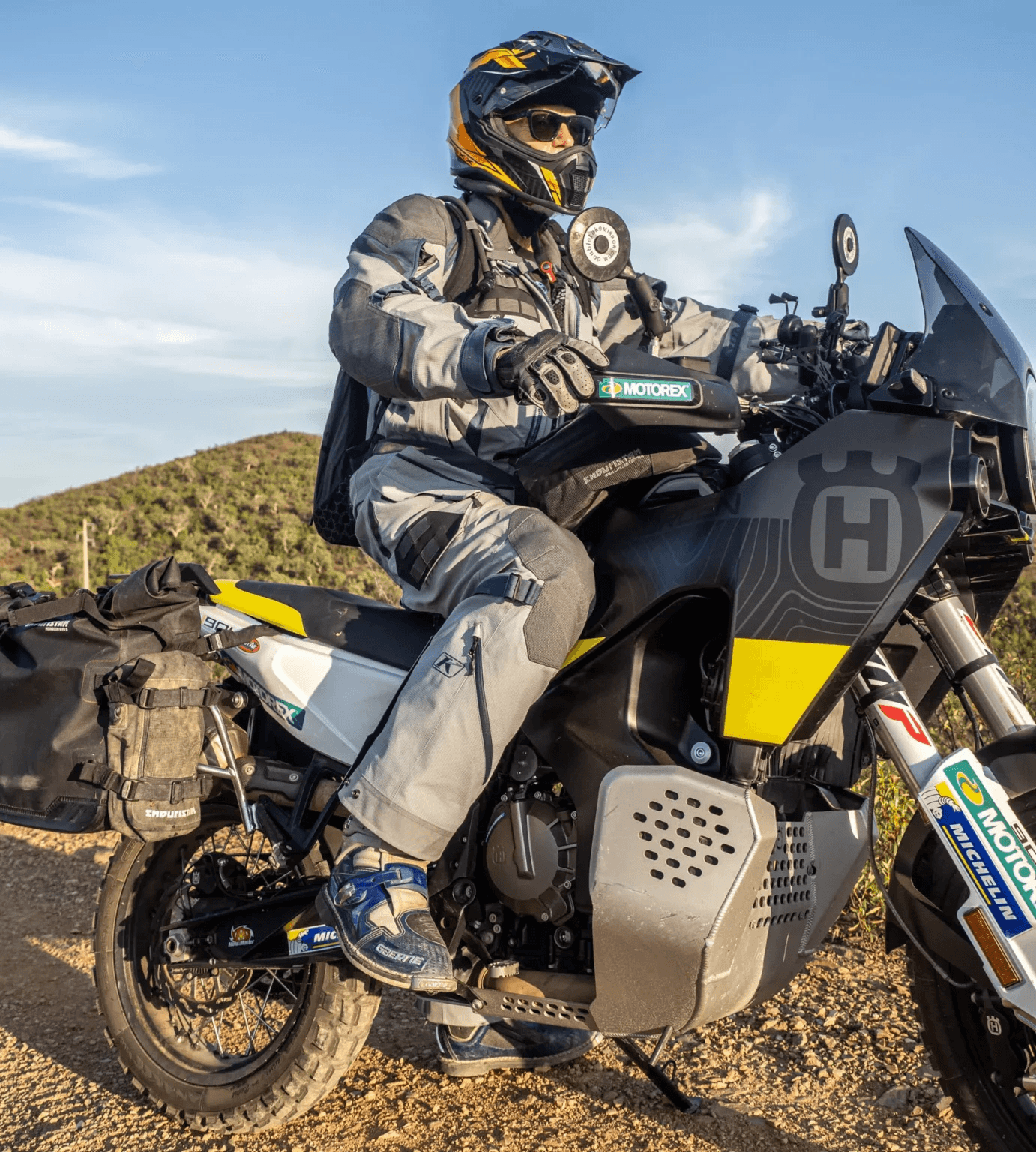
Right out of the box, the first test for my new SG12 boots was a three-month, 10,000-mile off-road journey that included several Backcountry Discovery Routes (BDR) and sections of the Trans-Canada Adventure Trail (TCAT). That meant long days standing on the pegs through deserts, mountains, rocky climbs, mud, water crossings, and mixed weather. (To see the various routes, visit: Interactive BDR Overview Map)

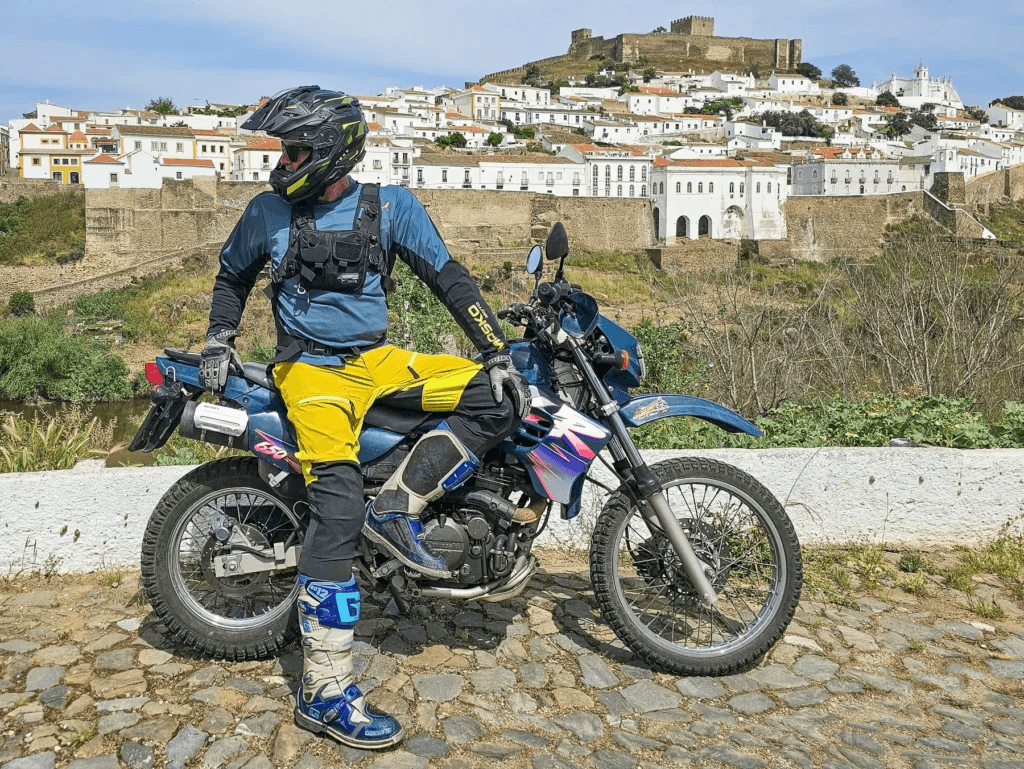
Since then, the same boots have been used on Trans Euro Trails (TET) in the Pyrenees and Sierra Nevada, Adventure Country Tracks (ACT) in Portugal, muddy tracks in French Picardy, sand tracks in the Mojave Desert, and rutted singletracks in Southeast Asia.
Since then, the same boots have been used on Trans Euro Trails (TET) in the Pyrenees and Sierra Nevada, Adventure Country Tracks (ACT) in Portugal, muddy tracks in French Picardy, sand tracks in the Mojave Desert, and rutted singletracks in Southeast Asia. That kind of use quickly exposes weak gear. The SG12s have been crashed in, soaked, dried, baked in tropical heat, and used hard enough to show what they do well — and where they compromise.
Why I Use a Full MX Boot for Adventure Riding
I do not choose off-road boots based on whether they’re the easiest to walk around in. I choose boots by considering how protective they are when the ride goes pear-shaped.
That view comes from experience. Having raced enduro and rally raids in Africa and Asia and ridden dual-sport and adventure bikes across five continents for decades, I have learned the painful price of inadequate protection. A major dirt-bike crash in my mid-twenties left me with compound fractures and a crippled ankle after multiple reconstructive surgeries. Since then, ankle and lower-leg protection has not been optional.
This is where the SG12 makes sense. Softer adventure boots are easier to live with, but they trade away the protection that matters most when a loaded ADV bike lands on your leg or your foot is forced into an ugly position.
The SG12 is not perfect for travel, but it gives me the protection, support, and confidence I want when riding technical terrain in remote areas far from help.
Protection and Support
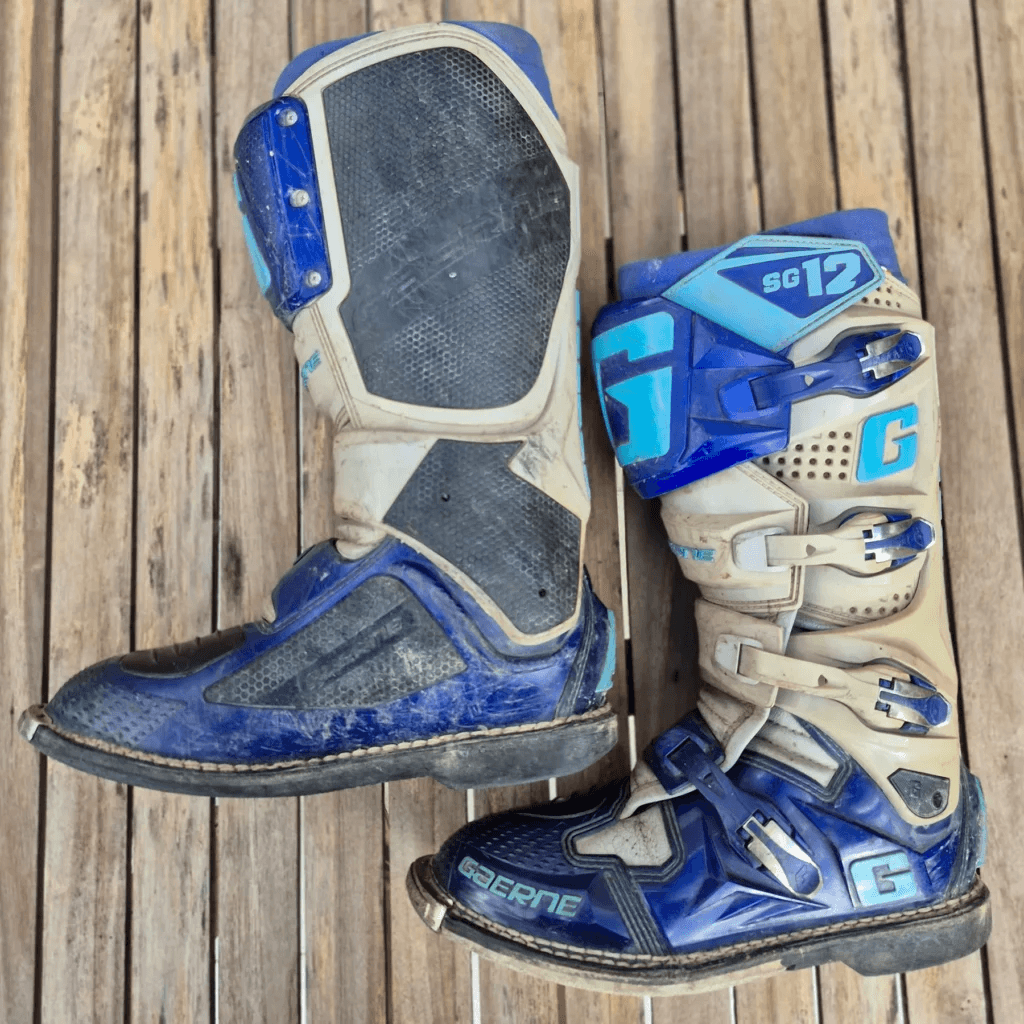
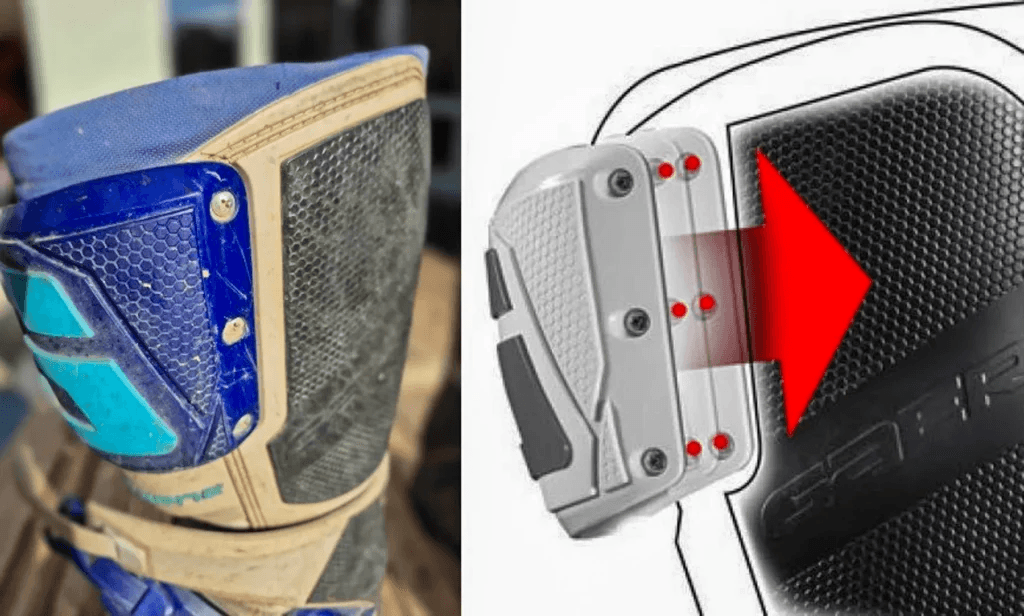
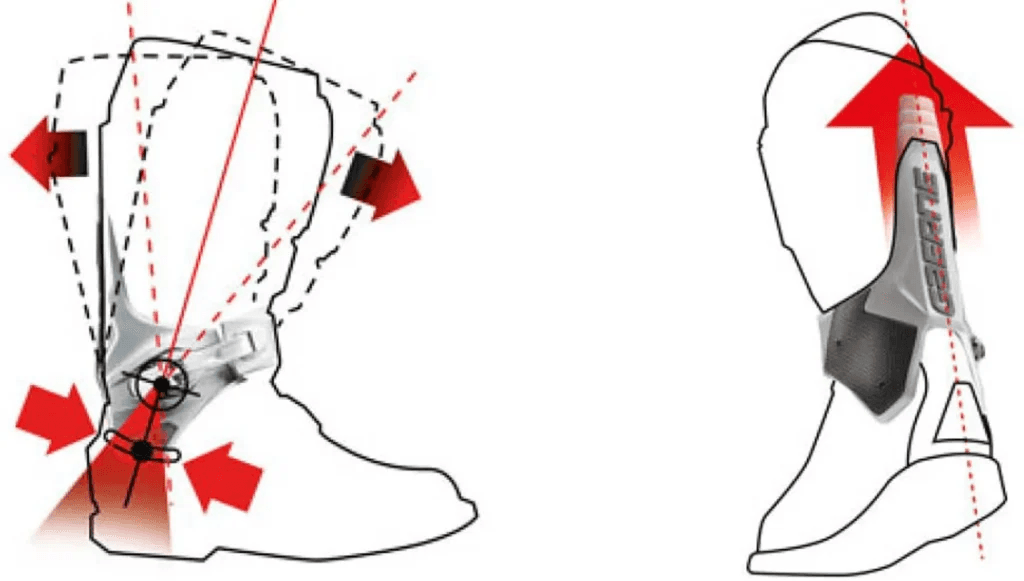
Protection is the SG12’s main reason for existing. The boot’s defining features are the hard external chassis (exoskeleton), Gaerne’s Dual Stage Pivot System, the robust Goodyear-welted sole, the reinforced toe box, and the substantial shin, heel, ankle, and calf protection.
The Dual Stage Pivot System (DSPS) allows controlled front-to-back movement for easier shifting, braking, and adjusting foot position on the pegs, while restricting excessive movement of the ankle joint beyond its normal range of motion. In simple terms, the SG12 lets your ankle move where it needs to move, but resists the unwanted sideways flex and over-extension most likely to injure it.
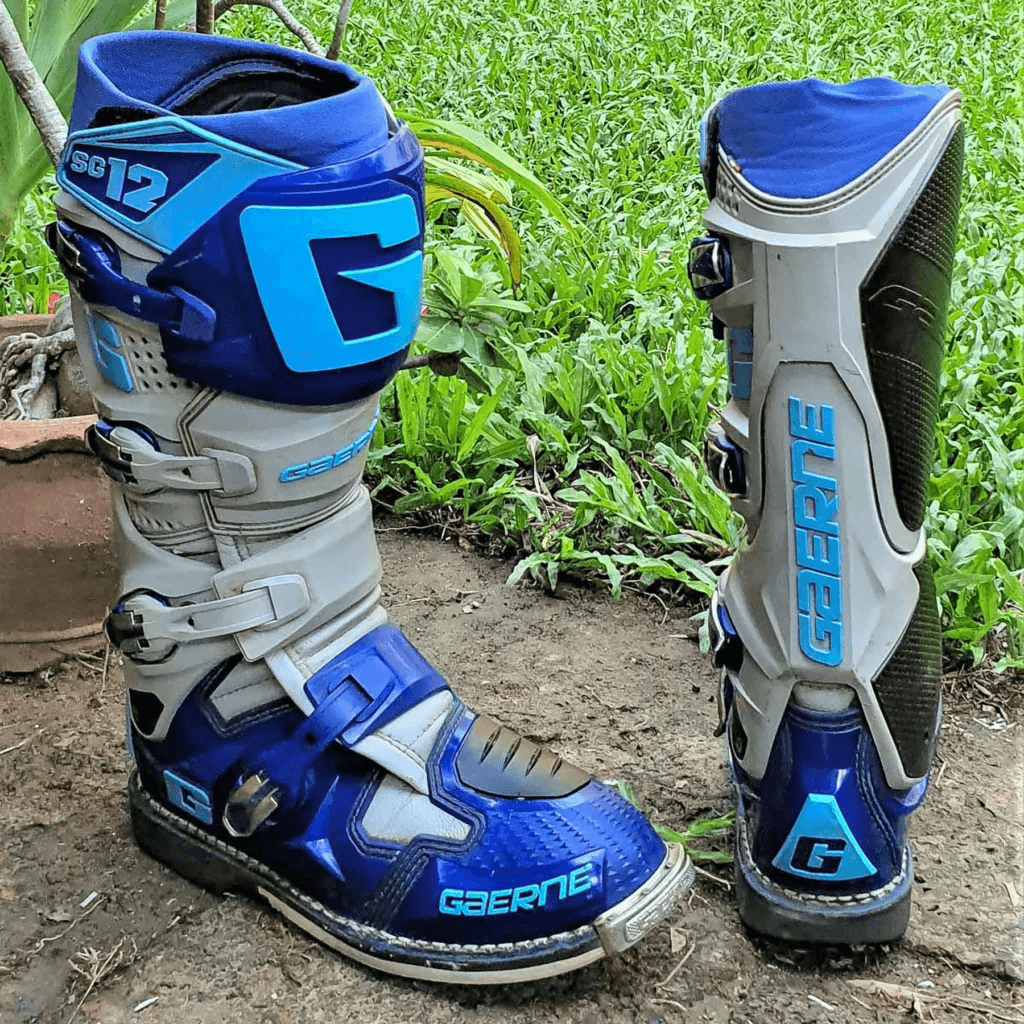
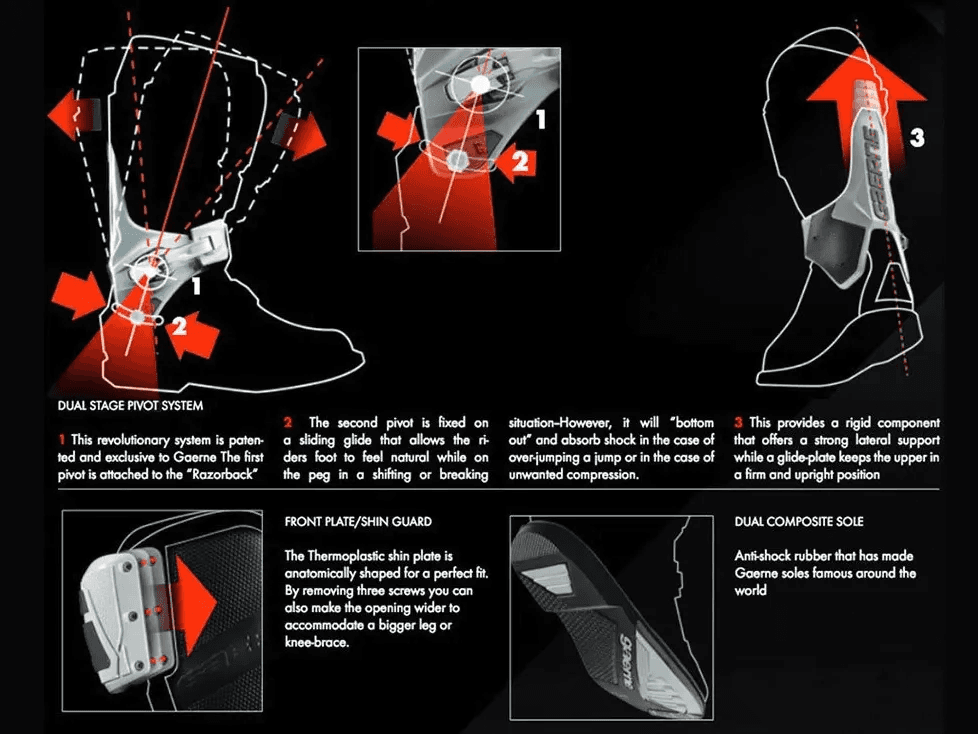
On the bike, the combination of rigidity with controlled articulation gives the boot a stable, locked-in feel. When riding across rocky descents, ruts, off-camber slopes, or fast desert tracks, the boot supports and stabilizes the lower leg without feeling completely immobilised, giving your ankles and feet the freedom of movement needed for steering through the pegs.
The shin and lower-leg protection are excellent. I have taken direct hits from rocks, branches, roost, and debris hard enough to knock a foot off the peg. In lighter boots, some of those hits would have hurt. In the SG12, I felt the impact, but the boot absorbed the worst of it.
The reinforced heel cup, toe box, and steel toe cap are useful in real off-road riding. Rocks, roots, logs, ruts, and bad dabs all find ways to punish the front of a boot. After years of use, the toe caps on my SG12s are worn and ready for replacement, but I can’t complain as they
have done their job remarkably well.

Crash Protection in the Real World
My SG12 boots have protected me through many falls. But one crash in the Sierra Nevada mountains of southern Spain made the value of the SG12 very clear.
I was riding solo on a technical trail late in the day. Going through a corner, the front wheel washed into a rut, clipped a rock, and the bike pitched sideways. My foot got trapped awkwardly beneath the bike, with the weight landing hard across my lower leg.
My first thought was that I had done serious damage. After several attempts, I managed to free the boot, stood up, and realised there was no sharp pain, no crunch, and no obvious injury. Just pressure and relief. The SG12 had deflected the force of the impact and absorbed most of the energy.
That was not a laboratory test. It was the kind of ugly, low-speed off-road crash that often causes ankle or lower-leg injuries. For me, that one incident alone justified the price of the boots. And that’s only one of the many mishaps I experienced over the years.
On the Bike
A good off-road boot has to protect you without disconnecting you from the bike. With its robust Goodyear-welted sole, the SG12 does this extremely well, but it takes some adaptation.
The dual-compound sole grips serrated foot pegs securely, even in wet or muddy conditions. I have never felt the SG12 was likely to slip off the pegs while riding. The grip is strong enough to inspire confidence, but not so grabby that it prevents quick foot repositioning while “dancing on the pegs”.
The reinforced sole and internal steel shank greatly reduce fatigue. On long rough days, softer soles allow the pegs to dig into the arches and balls of your feet. But the SG12 spreads that load and makes standing for hours more comfortable.
The trade-off is ‘feel’. If you are coming from touring boots or soft ADV boots, the SG12 will initially feel bulky and insensitive. Shifting and rear-brake feel are reduced until you adjust your technique and, in some cases, your control positions. It may require adjusting the angle or mounting a longer shifter and rear brake.
Once adapted, the boot feels secure and predictable. For serious dirt riding, that is a better compromise than a soft boot that feels nice at first but offers limited support and, more importantly, weaker protection when things go wrong.
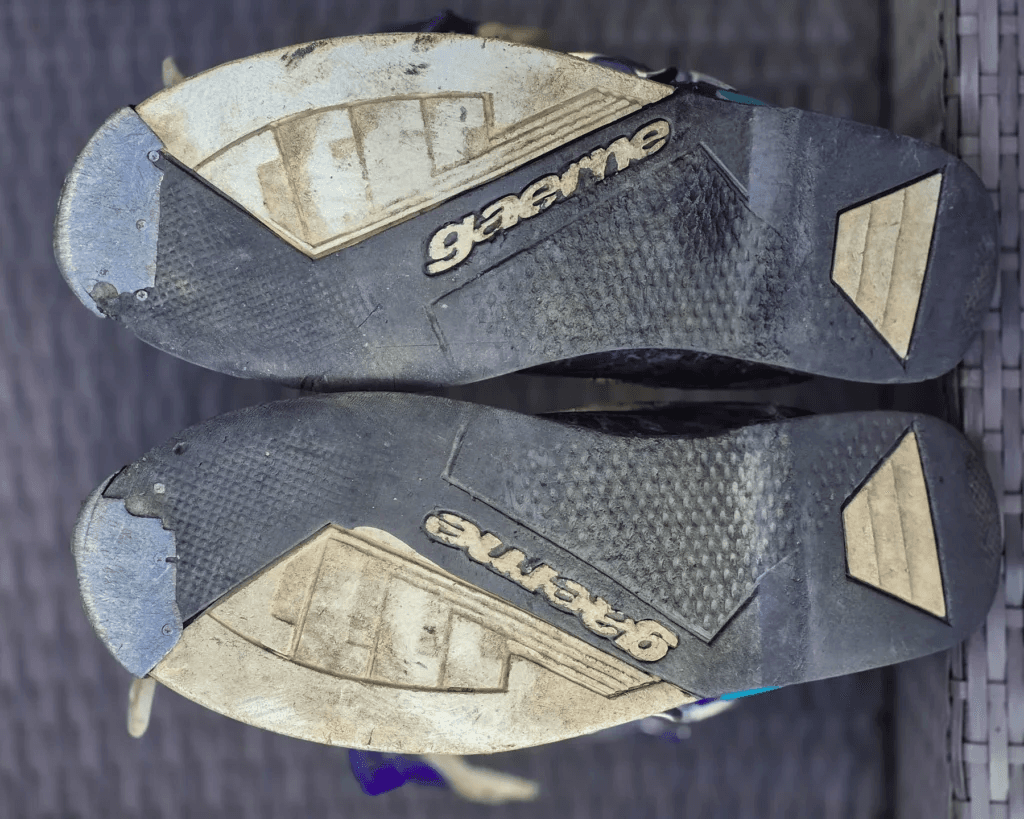
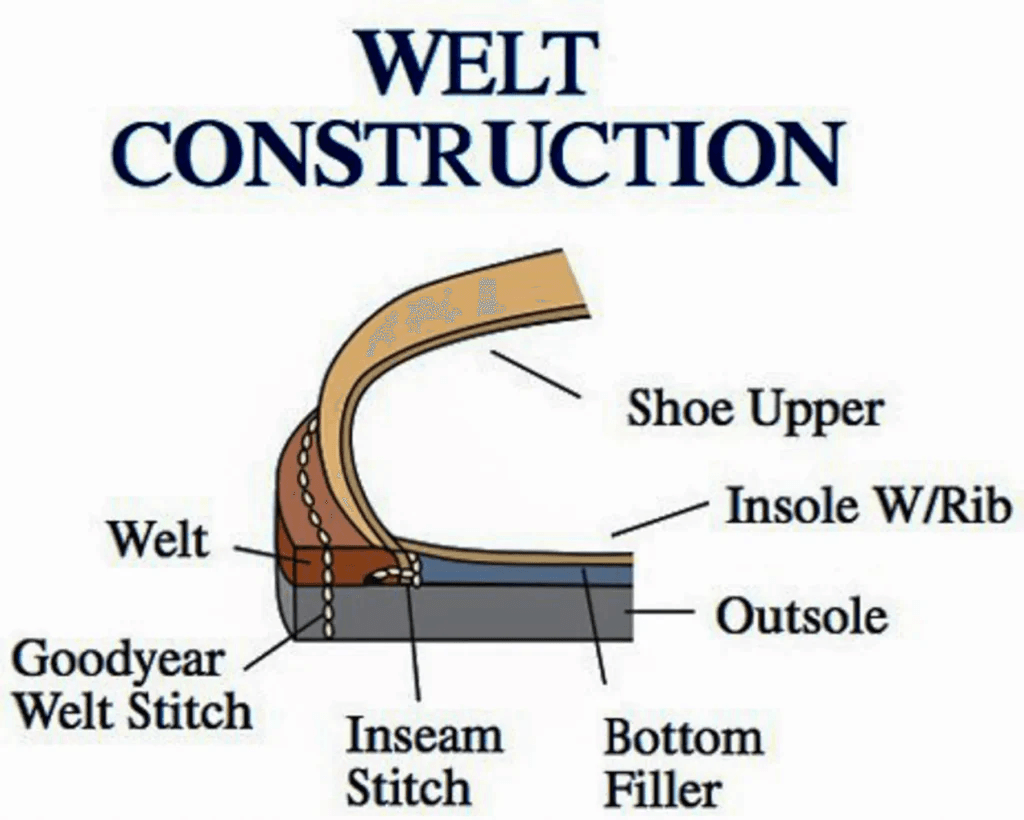
Gaerne still uses the traditional stitched Goodyear welt for its off-road boots as it’s the strongest and most durable construction method. Most brands have abandoned the Goodyear-welted soles in favor of the molded, glued soles that are much cheaper to produce, but they’re not nearly as robust and long-lasting.
Fit and Comfort
For such a protective boot, the SG12 is surprisingly comfortable. I started a 10,000-mile off-road trip in brand-new boots, which is usually asking for trouble. New boots can cause hot spots, pressure points, and blisters, especially on long days.
The SG12s were comfortable from day one. They felt secure and supportive without the punishing break-in period I expected from a serious MX/enduro boot. The interior memory-foam lining conforms well around the foot and ankle, and the boot avoids the hard pressure points I have felt in some other protective boots.
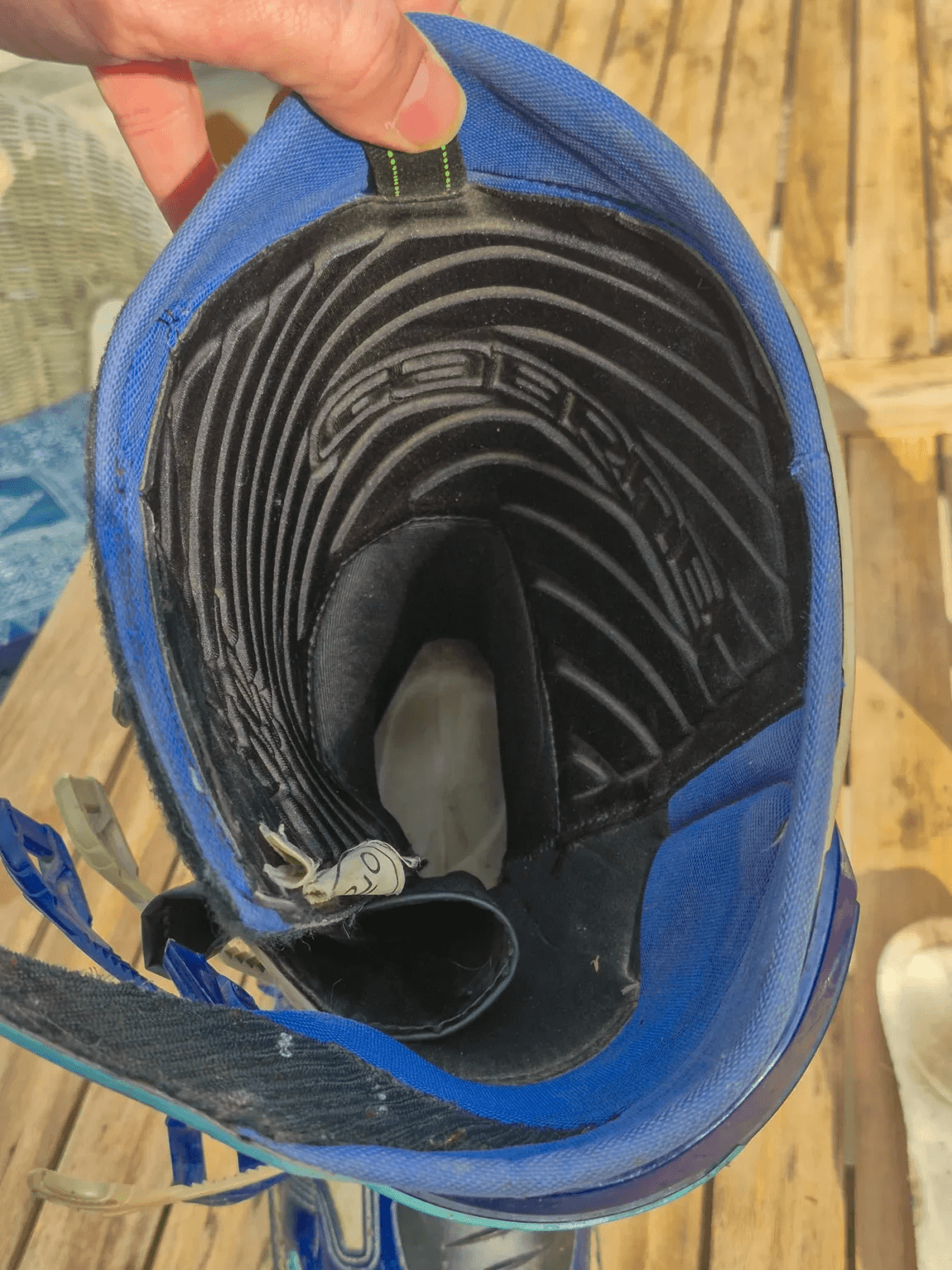
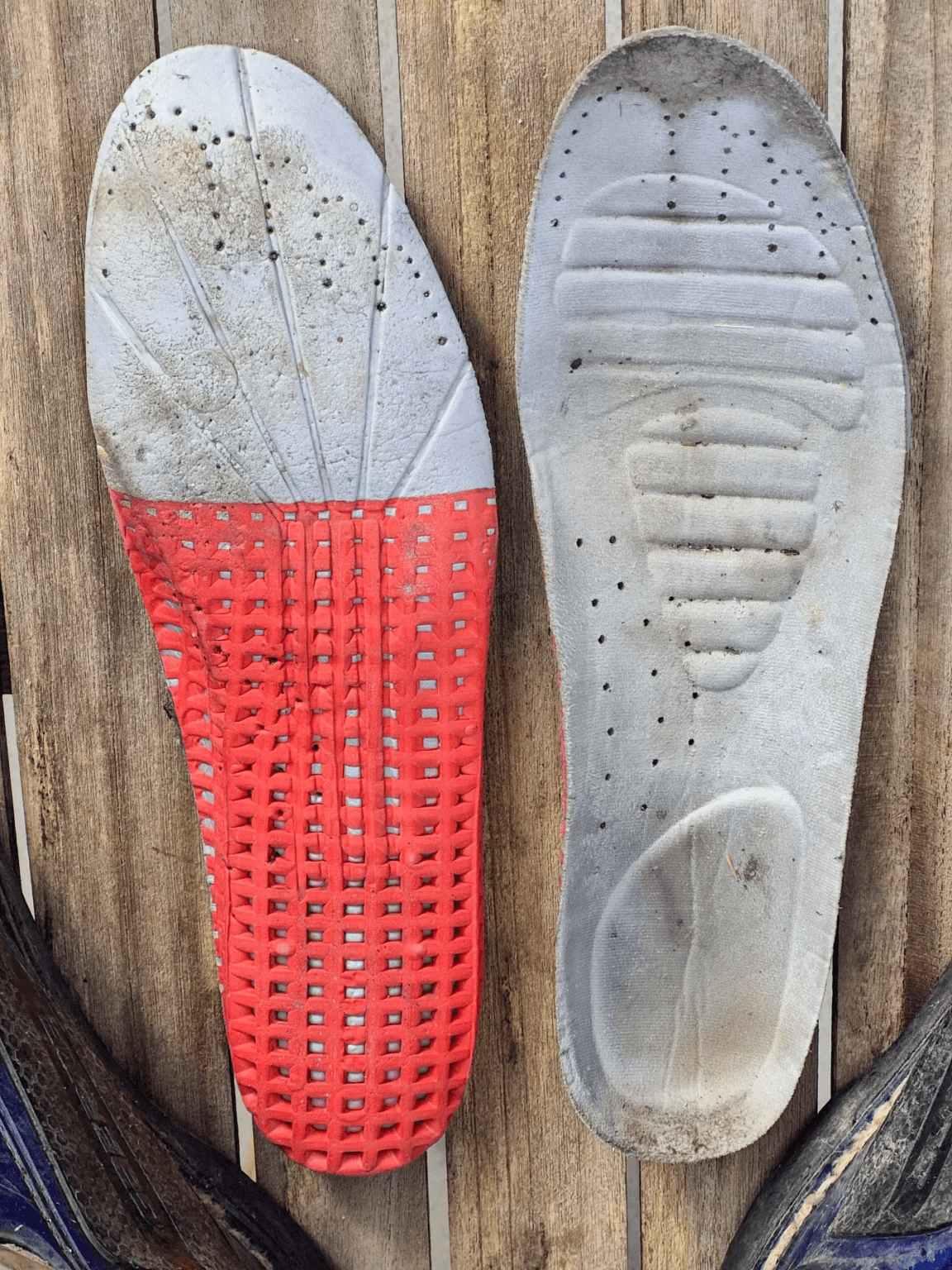
One reason I keep coming back to Gaerne is the roomy midfootbed and toe box. Compared with some premium boot brands, the SG12 gives more space for the widest part of the forefoot. That matters if you have wider feet, or if your feet swell during long hot days. The extra width also accommodates thicker (waterproof) socks. The dual-compound insole also helps. It provides more cushioning under the heel and rear foot while keeping the front section thinner for control feel. After drying the boots, I have occasionally forgotten to put the insoles back in, and the comfort difference is obvious within a short ride.
Over time, the front of the insole compresses, especially under the toes and balls of the feet. Replacing the stock insoles with gel insoles is a simple way to restore comfort.
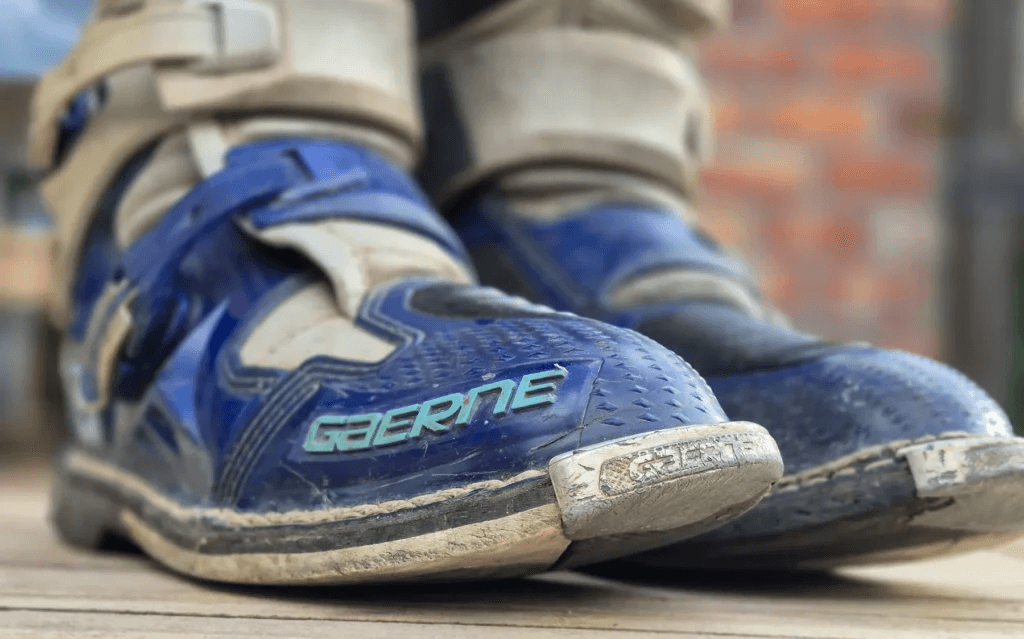
After seven years, thousands of hard off-road miles, and numerous crashes, I still trust the SG12. That matters more than any spec sheet.
Walking and Trailside Use
The SG12 is not a hiking boot and should not be judged like one. It is a protective MX/enduro boot first.
That said, it is far more walkable than a rigid old-style motocross boot. The DSPS pivot system and sole’s curved shape make it acceptable for walking around camp, dealing with trailside repairs, fuel stops, short scouting walks, and general travel use. It is not ideal for long walks, sightseeing, or slippery mud. My pair has the smoother motocross-style sole, which works well on the pegs but is less secure off the bike than the more aggressive enduro sole. For ADV riders, or if you spend a lot of time pushing, walking sections, or riding hard enduro, the grippier enduro sole version would make more sense.
For adventure travel where riding protection is the priority, the SG12 is livable enough.
Waterproofing and Heat
Typical of MX boots, the SG12 is water-resistant, not waterproof. It can handle puddles, splashes, shallow crossings, and light rain, but if you submerge the boot above the ankle, water will eventually get in.
For serious off-road use, waterproof boots should be avoided. Waterproof membranes make boots much slower to dry once water gets inside, usually from knee-deep river crossings. They also tend to make boots hotter in hot weather.
Riders who regularly cross thigh/knee-deep creeks or travel in hot weather are served better by the SG12’s more breathable approach. In S.E. Asia, where enduro is very popular and water-crossings in the jungle are frequent, no one uses waterproof boots or socks. Even in the Himalayas, I was glad I never wore waterproof boots as ingress of ice-cold water while crossing glacial rivers was hard to avoid. In that scenario, Klim waterproof socks are a good solution. If you’re an ADV rider who avoids knee-high watercrossings, you should consider the Gaerne SG22 Gore-Tex Enduro Boot. The popularity of ADV riding has led manufacturers to cater to customers requesting waterproof off-road boots to cope with riding in the rain.
Durability and Parts
Durability is one of the main reasons I rate Gaerne SG boots so highly. Similar to my experience with two pairs of SG10s, the strong chassis and robust soles of my SG12 have lasted extremely well. Serrated pegs eventually mark any boot, but I have never had to replace the sole on any of my Gaerne SG boots despite very high mileage.
The SG12’s buckles and straps have also held up well. I’ve never broken or lost a strap or buckle, which can’t be said of other brands I’ve owned. The buckles close securely, although they need a firm press to make sure they are properly locked. Early on, I had buckles pop open a few times because I had not closed them decisively enough. Once I adjusted my routine, it stopped being an issue.
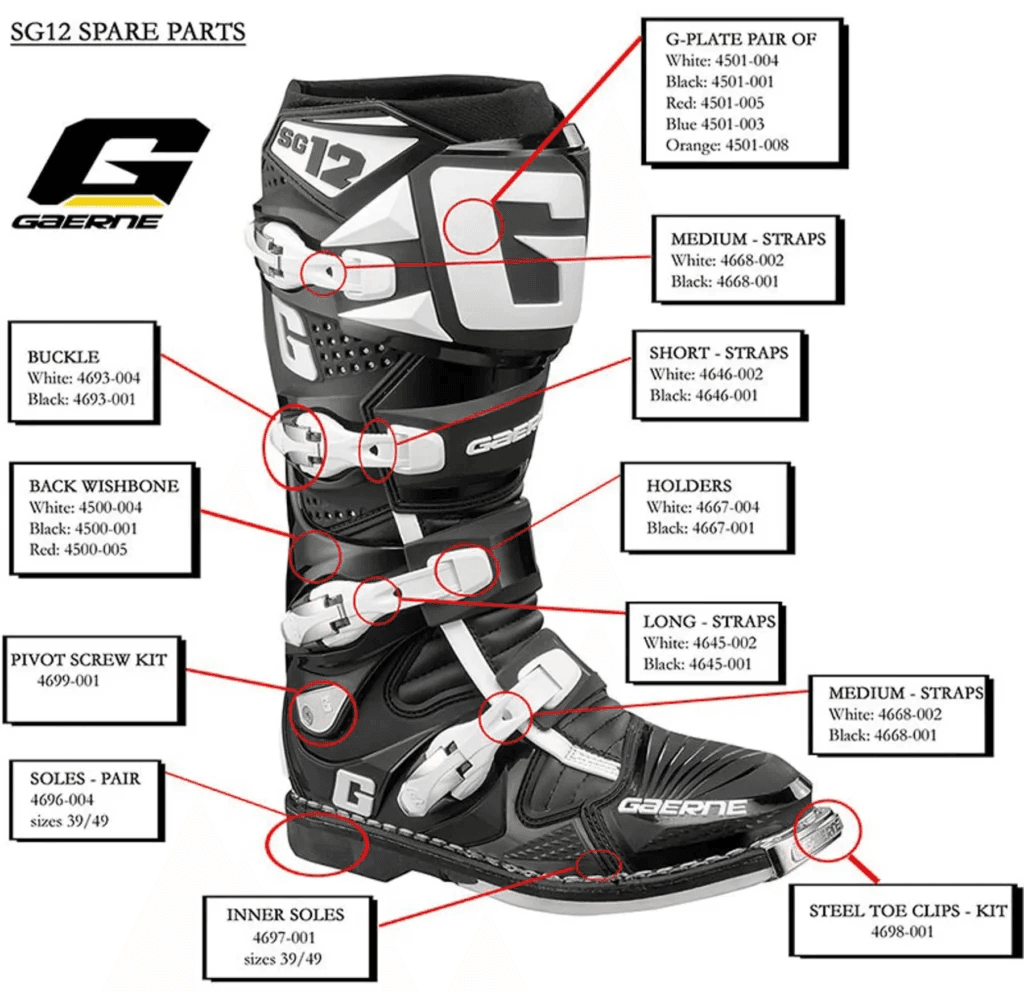
The replaceable parts are a major advantage. Plastic chassis parts, straps, strap holders, buckles, (in)soles, and toe caps can all be replaced, which extends the useful life of the boot and improves the value over time. Gaerne’s online catalog has a spare parts order section.
Gaerne SG12 Boot
$1,000